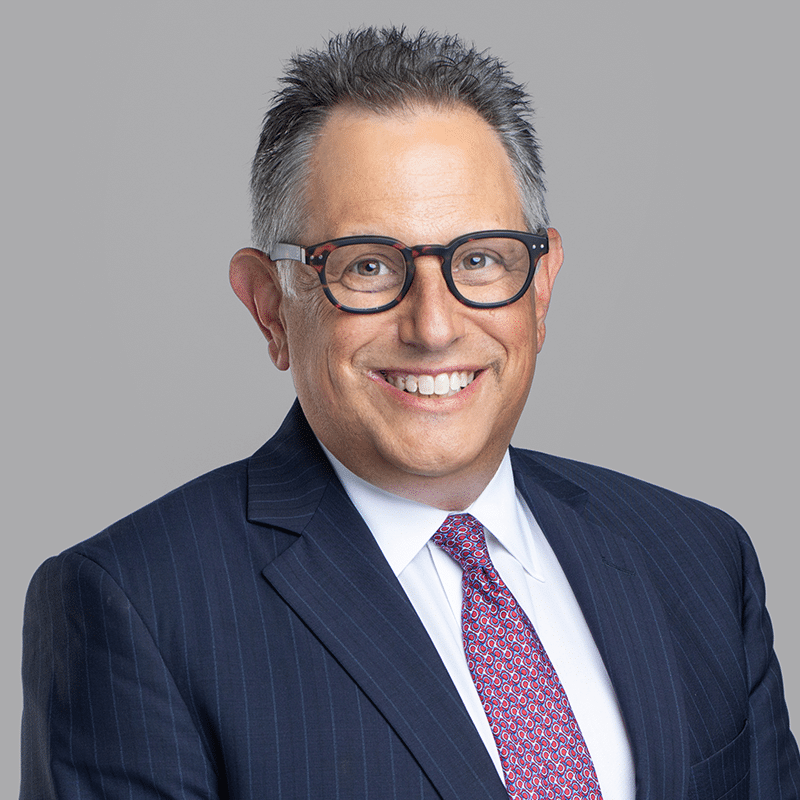
HSH Partner Paul Miller, counsel for Canadian diplomats and their families affected by Havana Syndrome, welcomes the Government of Canada’s openness to renewed mediation in the long-running litigation.
After years of uncertainty, the possibility of renewed mediation may offer a path toward resolution for Canadian diplomats and their families who report serious and debilitating symptoms following their service in Havana, Cuba.
In an October 19, 2026, report, The Globe and Mail’s Robert Fife reported that the Government of Canada remains open to mediation in the lawsuit and that its previous offer remains available.
Paul Miller welcomed the development, telling The Globe and Mail, “We are very happy to hear that the government is open to continuing the mediation process and hopefully we will now be able to have more constructive discussions to find a solution to this case.”
Paul’s comments reflect the importance of constructive dialogue in a case that has remained unresolved for years. While renewed mediation does not guarantee an agreement, it offers the parties an opportunity to explore a potential resolution.
A Potential Path Forward
Renewed mediation follows an earlier attempt in 2023, when former Supreme Court of Canada justice Thomas Cromwell was appointed to mediate the dispute. According to Miller, that process ended after two days of discussion without progress.
Global Affairs Canada has now confirmed that mediation remains a possibility and that the offer tabled during the earlier process is still available.
Mediation allows parties to work with an independent mediator to seek a mutually acceptable resolution. In complex litigation, it can offer a constructive forum for addressing a dispute while allowing the parties to determine whether an agreement is possible.
For the diplomats and their families, the government’s latest position may represent an opportunity to make progress after years of uncertainty.
The Questions Surrounding Havana Syndrome
Canadian foreign-service officers and their families began reporting symptoms in 2017 while stationed in Havana. The reported symptoms have included headaches, blurred vision, memory loss, mood changes, nausea and nosebleeds. Some affected individuals reported hearing unusual vibratory noises before experiencing symptoms.
The diplomats allege that they were denied access to leading-edge healthcare and that the government withheld critical information and downplayed the seriousness of their symptoms.
The cause of the reported illnesses remains unresolved. The Canadian government has said extensive investigations did not identify a definitive common cause for the symptoms or evidence linking them to a foreign actor. Researchers have proposed differing explanations, and questions about the circumstances surrounding the illnesses continue to attract public and political attention.
The issue has also prompted calls for further examination. Former Canadian intelligence officers and retired senior security officials have called for an independent parliamentary examination into whether Russia targeted the diplomats and how the government subsequently treated them. Prime Minister Mark Carney has also acknowledged Canada’s duty of care toward its diplomats and their families.
The article further highlights the difference between the Canadian and American responses to affected personnel. In July 2026, the United States distributed US$3 million under a congressional compensation program to American personnel allegedly affected by Havana Syndrome. The Canadian diplomats continue to pursue their claims through the Canadian legal process.
Keeping the Focus on the People Affected
Beyond the questions surrounding the cause of the illnesses, the litigation concerns the experiences of Canadian diplomats who became seriously ill while serving their country and the families who have been affected alongside them.
Paul Miller and the Howie, Sacks & Henry LLP legal team continue to represent these individuals as they seek a resolution through the legal process. His comments to The Globe and Mail underscore the importance of keeping the possibility of constructive discussions and meaningful progress open.
The government’s willingness to continue mediation is an opportunity, not a guarantee of resolution. Whether through renewed discussions or the ongoing litigation, HSH and its co-counsel remain committed to advocating for their clients and pursuing answers and accountability.
After years of uncertainty, the diplomats and their families deserve a meaningful opportunity to have their concerns addressed.
Read the Full Story
Ottawa says it’s open to mediation with Canadian diplomats allegedly affected by Havana Syndrome
For more information about the litigation and the Canadian diplomats represented by Howie, Sacks & Henry LLP, visit our Havana Syndrome case page.