



Howie, Sacks & Henry LLP, with co-counsel, secured a landmark judgment for approximately 7,000 patients whose privacy was violated by Dr. Martin Jugenburg (Dr. 6ix) at the Toronto Cosmetic Surgery Institute.
On May 26, 2026, Justice Schabas of the Ontario Superior Court of Justice released a decisive judgment in J.C. et al. v. Jugenburg et al., 2026 ONSC 3061, awarding $22,500,000 in damages following a five-week common issues trial that concluded in mid-December 2025.
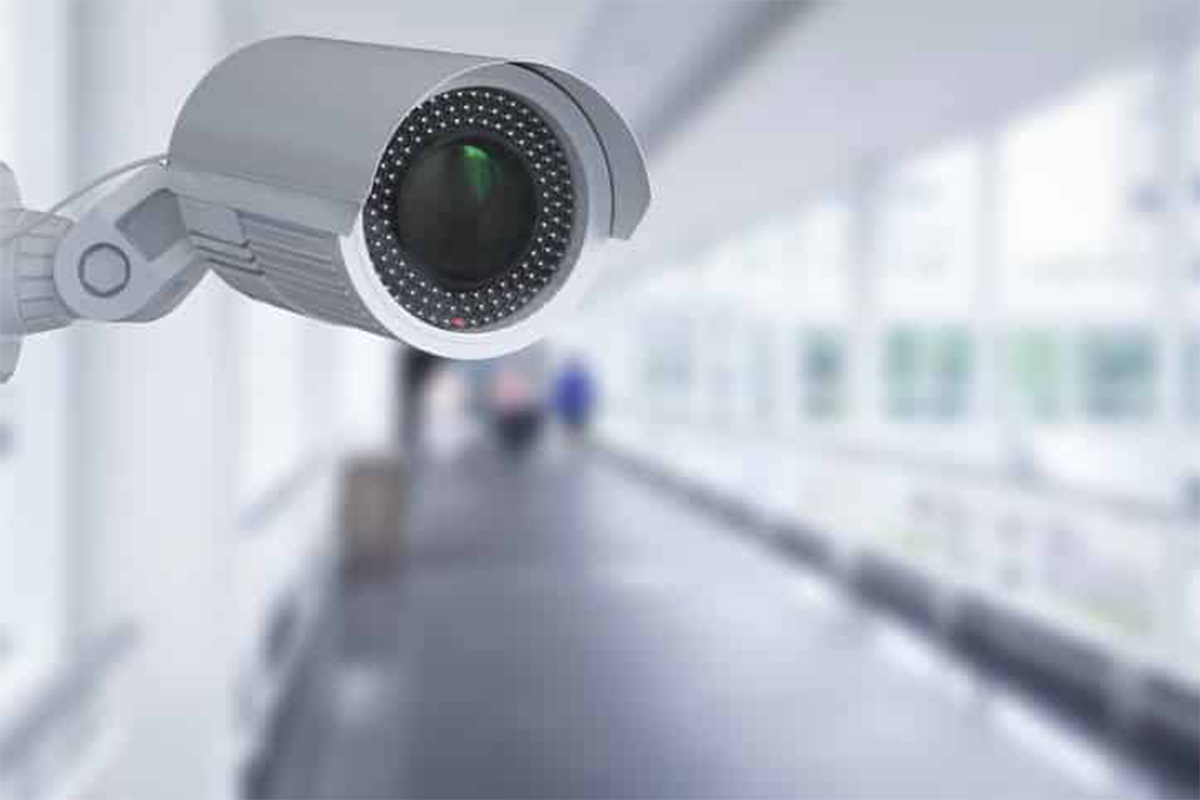
The Court found that Dr. Jugenburg operated 24 surveillance cameras throughout the Toronto Cosmetic Surgery Institute without disclosure or patient consent from January 2017 to December 2018. Cameras were placed in consultation rooms, operating rooms, examination areas, and recovery spaces where patients undressed, underwent surgery, and spoke privately with loved ones and medical staff. Footage was stored on Dr. Jugenburg’s personal iPhone and iPad. There was almost no signage informing patients of the recordings.
The Court found Dr. Jugenburg liable on the following grounds:
- Negligence: Dr. Jugenburg owed a duty of care to his patients to act in their best interests. There should not be cameras in locations in private health clinics where patients are receiving care or consulting with medical professionals. Dr. Jugenburg breached that duty.
- Breach of Fiduciary Duty: Dr. Jugenburg breached his fiduciary duty by installing and operating surveillance cameras to capture footage of patients in private medical settings without their knowledge or consent, and for no medical purpose.
- Intrusion Upon Seclusion: The Court found that Dr. Jugenburg invaded his patients’ privacy without lawful justification, acting intentionally and recklessly. Justice Schabas concluded that “every patient has an expectation of privacy, which was breached,” and that the breach was “highly offensive and would reasonably cause distress, humiliation and anguish to Class Members.”
Why the Court Rejected Dr. Jugenburg’s Defence
After five days of testimony, largely under cross-examination, the Court found Dr. Jugenburg’s evidence lacked credibility and was disingenuous and unreliable. The Court rejected his defence that the cameras were installed for general security and did not accept his claim of misunderstanding privacy law obligations. The judgment states plainly: ignorance of the law is no defence.
The Court also found that a letter Dr. Jugenburg sent to patients about two years after the cameras were installed was not a genuine apology and contained false and misleading statements. The letter incorrectly claimed that privacy legislation had changed during the period the cameras were in use, when in fact the relevant legislation had not changed since 2004.
Justice Schabas concluded that Dr. Jugenburg “knew exactly what he was doing, invading patient privacy” and that his conduct was reprehensible and deserving of condemnation and punishment by the Court.
$22.5 Million in Damages: How the Award Was Calculated
The Court ordered Dr. Jugenburg to pay:
$21,500,000 in aggregate damages for intrusion upon seclusion, based on approximately 4,000 surgical patients at $5,000 per patient, and 3,000 non-surgical patients at $500 each.
$1,000,000 in punitive damages, reflecting the Court’s finding that Dr. Jugenburg’s conduct was knowing, reprehensible, and deserving of explicit condemnation.
Total: $22,500,000
Pre-judgment interest on the $21.5 million and legal costs will be determined later. This judgment concludes the common issues phase of the litigation. Individual damages assessments for negligence and breach of fiduciary duty are pending. Class members who suffered additional harm as a result of the surveillance may seek further compensation in the upcoming individual claims phase.
What This Landmark Privacy Ruling Means for Patients and Physicians
This case was never simply about surveillance cameras. It was about what those cameras represented – a profound betrayal of trust in one of the most vulnerable settings a person can enter.
Class members came to Dr. Jugenburg’s clinic seeking help with deeply personal concerns. They confided insecurities many had never spoken aloud. They undressed for examinations. They lay unconscious on operating tables. They placed their trust – and their bodies – in the hands of a physician who was supposed to protect them. That trust was violated.
For nearly two years, patients were recorded without their knowledge or consent – in consultation rooms, examination rooms, the operating room, and recovery. Many learned of the cameras only when the CBC reported the story in December 2018. By then, the violation had already occurred. The footage already existed. There was nothing they could do to undo it.
What makes this harm so insidious is its invisibility. There is no scar, no outward mark of what was taken. But the injury is real and lasting. Class members described feeling “violated,” “betrayed,” and “humiliated.” Many spoke of enduring anxiety – a fracture in their ability to trust medical professionals that has changed how they seek care, or whether they seek it at all. Some continue to live with the fear that footage of their most private moments could surface somewhere, someday, beyond their control.
Justice Schabas recognized the gravity of what occurred. He found that Dr. Jugenburg’s conduct was “highly offensive” and would cause a reasonable person “distress, humiliation or anguish.” He found that Dr. Jugenburg “placed his own interests above those of his patients” and “knew exactly what he was doing.” He awarded over $22 million in damages – not merely to compensate, but to mark the seriousness of the wrong.
For many class members, that recognition matters as much as the compensation itself. It validates what they experienced. It confirms that their sense of violation was not misplaced.
Patient privacy is not a technicality. It is not an administrative checkbox. It is foundational to the physician-patient relationship, to informed consent, to the integrity of medical care itself. When a patient enters an examination room, they are not merely exchanging information with a service provider. They are placing themselves, often literally, in someone else’s hands. That act requires trust. And that trust requires privacy.
We live in a world where surveillance has become routine. Cameras are everywhere – in stores, in lobbies, on our streets, in our pockets. But some spaces must remain protected. Spaces where people share what they have never spoken aloud. Where they undress. Where they place their trust, and their bodies, in someone else’s hands. These are not public spaces, and technology should never override a patient’s right to control who sees them and what is recorded.
The $1,000,000 punitive damages award reflects the Court’s recognition that this was not an innocent mistake. Justice Schabas found that Dr. Jugenburg’s explanations were “disingenuous,” his apology was misleading, and his conduct both before and after the cameras were discovered demonstrated a disregard for his patients’ interests. The punitive award exists to condemn that conduct and to make clear that physicians who exploit patient vulnerability, prioritize self-interest over patient welfare, and fail to take responsibility when confronted will face serious consequences.
For years, class members have carried the weight of what happened to them – the violation, the uncertainty, the fear that comes from knowing someone recorded your most private moments without your knowledge or consent. This decision cannot undo that. But it can, and does, confirm what they have always known – that their trust was betrayed and that the harm was real.
How HSH Secured a $22.5 Million Victory for 7,000 Patients
Class actions like this one are only possible because individuals are willing to come forward to share painful experiences, to trust a long and uncertain process, and to keep faith even when resolution feels impossibly far away.
We are deeply grateful to the representative plaintiffs and every class member who did exactly that. Many shared things they had never spoken aloud. They trusted us to fight for them. That responsibility shaped everything we did.
Results like this are not accidental. They reflect years of diligent work, strategic legal planning, and unwavering dedication to our clients.
We are immensely proud of our HSH team and our dedicated co-counsel, Margaret Waddell of Sotos LLP and Kate Mazzucco of Beyond Law, whose expertise, commitment, and collaboration made this outcome possible. The litigation spanned years and required extraordinary effort at every stage, from certification through the five-week common issues trial. This verdict demonstrates what skilled, determined advocacy can achieve.
To the entire team: we are proud of you, and proud of what we have accomplished together for these plaintiffs.