

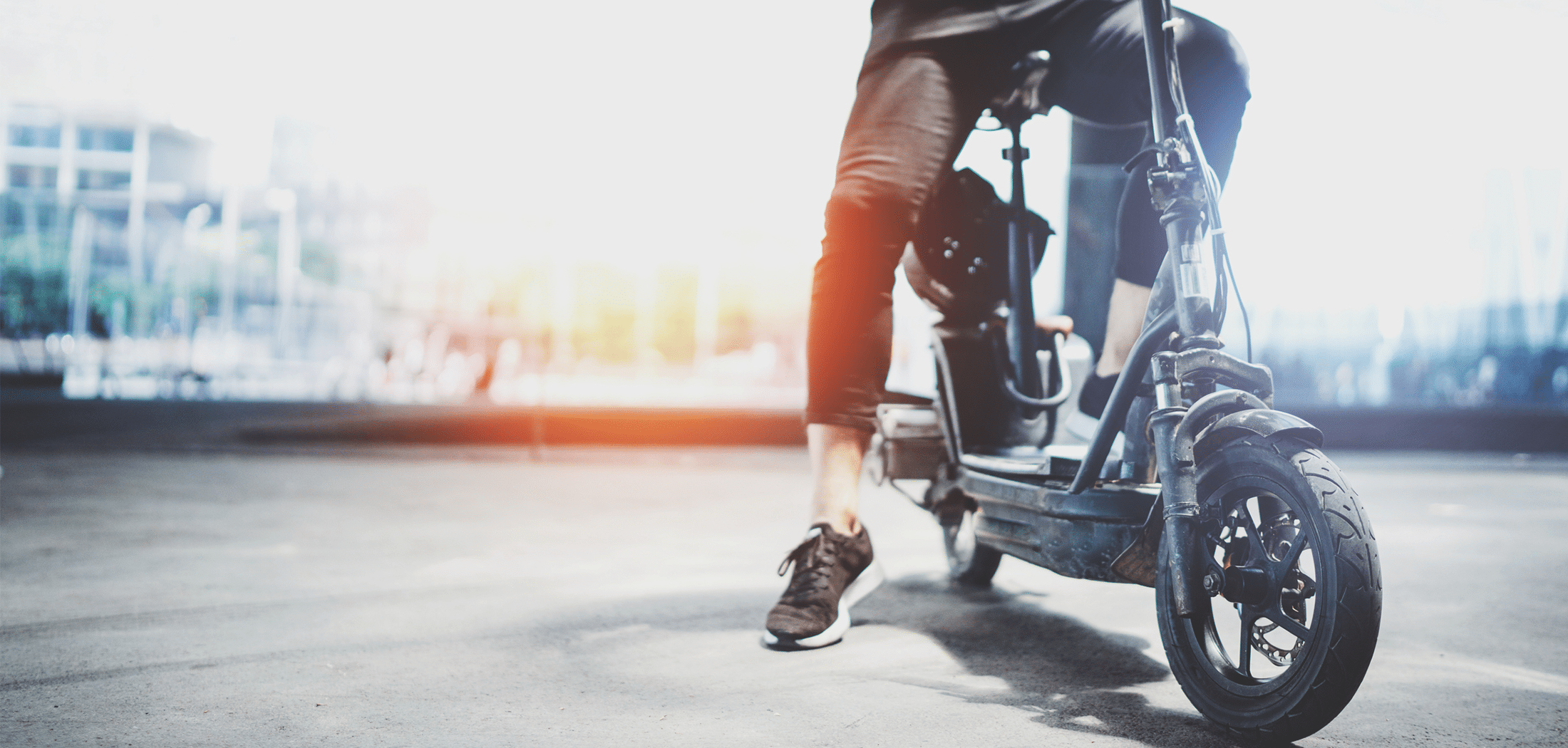

E-scooters and e-bikes have become a familiar sight on city streets, and it’s no surprise that kids are drawn to them. They’re fast, fun, and increasingly affordable. But beneath the appeal is a growing safety problem that hospitals, municipalities, and the province are closely tracking, and one that Ontario law tries, imperfectly, to address. If your child has been hurt while riding one of these devices, understanding both the injury data and the legal landscape is the first step toward figuring out what comes next.
The Numbers Tell a Clear Story
Hospital data is sounding the alarm. Toronto’s emergency departments, through SickKids Hospital’s trauma registry, have tracked a sharp rise in serious injuries linked to battery-powered mobility devices since 2020. Looking specifically at the summer of 2024, the Canadian Hospitals Injury Reporting and Prevention Program (CHIRPP) at SickKids found that e-scooters accounted for 85% of serious battery-powered mobility injuries treated. Children between the ages of 10 and 13 made up close to half of all e-scooter injuries, and boys made up the large majority of injured riders, at 81%.
Perhaps most concerning: helmets, while important, don’t tell the whole safety story. Among the injuries CHIRPP tracked, roughly 36% were head injuries, and more than half of those injured (56%) weren’t wearing a helmet at all. Nearly a third of injuries (31%) involve more than one part of the body, pointing to the kind of high-energy impacts these crashes tend to produce.
Provincial data adds more context. Ontario’s preliminary 2024 Road Safety Annual Report tracked 367 e-bike riders and 140 e-scooter riders involved in fatal or personal injury collisions across the province that year (figures span all ages, not children specifically). Of those, e-bike collisions resulted in 1 fatality and 35 major injuries, while e-scooter collisions resulted in 3 fatalities and 11 major injuries. In other words, despite a much smaller pool of riders, e-scooter collisions in Ontario produced a proportionally higher share of fatal outcomes than e-bike collisions did, a pattern consistent with the City of Toronto’s own decision to keep e-scooters off public streets altogether.
It’s also worth zooming out to consider how young riders fare on wheeled devices generally. Among Canadian cyclists killed in crashes, 18% were under the age of 16, according to CAA data, a reminder that children are consistently overrepresented among the most seriously hurt road users, regardless of which type of device they’re riding.
What the Law Actually Says
Many parents are surprised to learn just how restrictive the rules are and how differently e-scooters and e-bikes are treated.
- E-scooters are not legal to ride on roads, sidewalks, bike lanes, or trails in Toronto, regardless of the rider’s age. Toronto City Council chose not to opt into the province’s e-scooter pilot project in 2024, so unlike some other Ontario municipalities, riding one in the city is simply against the law.
- Across all of Ontario, no one under 16 may operate or ride an e-scooter. This comes from O. Reg. 389/19 (the province’s e-kick-scooter pilot regulation).
- Across all of Ontario, no one under 16 may operate or ride an e-bike either, under section 38.1(2) of the Highway Traffic Act.
- E-bikes, unlike e-scooters, are legal on Toronto roads (though not sidewalks) for riders 16 and older, provided the rider wears an approved bicycle or motorcycle helmet and the e-bike meets provincial technical standards a maximum assisted speed of 32 km/h, a maximum combined weight of 120 kg, a motor no larger than 500 watts, secured battery and motor components, and two independent braking systems capable of stopping the bike within 9 metres from 30 km/h.
Here’s the gap that creates real risk for families: municipalities and the province can regulate where these devices are used, but not what’s sold in stores. As the City of Toronto itself acknowledges, this is exactly why e-scooters remain widely available for purchase and frequently marketed to buyers under 16 even though riding one in Toronto is illegal at any age. A parent can walk into a store, buy a device for their child, and unknowingly be setting up a situation that the law was specifically written to prevent.
Why Liability Gets Complicated When a Child Is Hurt
When an adult is injured in an ordinary car accident, the question of fault is often relatively straightforward. When a child is injured on an e-scooter or e-bike, there can be several parties whose conduct is relevant to a claim, including:
- The adult who supervised, permitted, or provided access to the device;
- The retailer or online seller is particularly relevant given the regulatory gap between what can be sold and what can legally be ridden;
- The manufacturer, if a defect in the battery, brakes, frame, or speed governor contributed to the crash;
- Another driver or rider involved in a collision; and
- In some cases, the municipality or a property owner, depending on where and how the incident occurred.
Because e-bikes fall under the Highway Traffic Act framework, while e-scooters operate in a regulatory grey zone in Toronto, the type of device involved can also affect how insurance and accident benefits questions play out. Lithium-ion batteries add another layer of risk: the City notes that damaged, overcharged, or modified batteries can catch fire or explode, which may be relevant where a battery failure contributed to an injury.
Speed Is the Hidden Danger
It’s tempting to think of these as “just bikes” or “just scooters,” but impact speed matters enormously to outcomes. Research cited in Canadian driving-safety data shows that a person struck at around 32 km/h has roughly a 10% chance of dying, while being struck at double that speed raises the chance of death to roughly 80%. Even pedestrians struck at 30 km/h or less have a 90% survival rate, which drops to 50% at higher speeds. E-bikes are capped at 32 km/h by law, and legitimate e-scooters aren’t far behind, but modified or higher-powered devices sold without regard for these limits can travel considerably faster, which helps explain why injuries involving these devices are often more severe than a “scooter” might suggest.
If Your Child Has Been Injured: What to Do
Get medical attention first. Some injuries, including head and internal injuries, aren’t obvious right away.
- Document everything. Photograph the scene, the device, any visible injuries, and road or weather conditions.
- Preserve the device and battery. If a mechanical or battery failure may have contributed to the crash, don’t repair or dispose of it.
- Get witness information. Names and contact details from anyone who saw what happened can matter later.
- Report it. Where another vehicle or rider was involved, a police report can be an important piece of evidence.
- Keep all medical records related to the treatment and recovery.
- Speak with a personal injury lawyer early. Claims involving minors are subject to different procedural and limitation rules than adult claims, and identifying every potentially responsible party, a driver, a retailer, a manufacturer, a supervising adult, is easier to do before evidence disappears.
The Bottom Line
E-bikes and e-scooters aren’t going anywhere, and for many families, they’re a genuinely useful way to get around. But the law in Ontario, and specifically in Toronto, exists because these devices have proven to be more dangerous for young riders than they often appear. If your child has been seriously hurt while riding one, the question of who is responsible is rarely simple, and getting informed early can make a meaningful difference in protecting your child’s interests.
If your child has been injured in an e-scooter or e-bike accident, the personal injury team at Howie, Sacks & Henry LLP can help you understand your options. Contact us for a free consultation.