

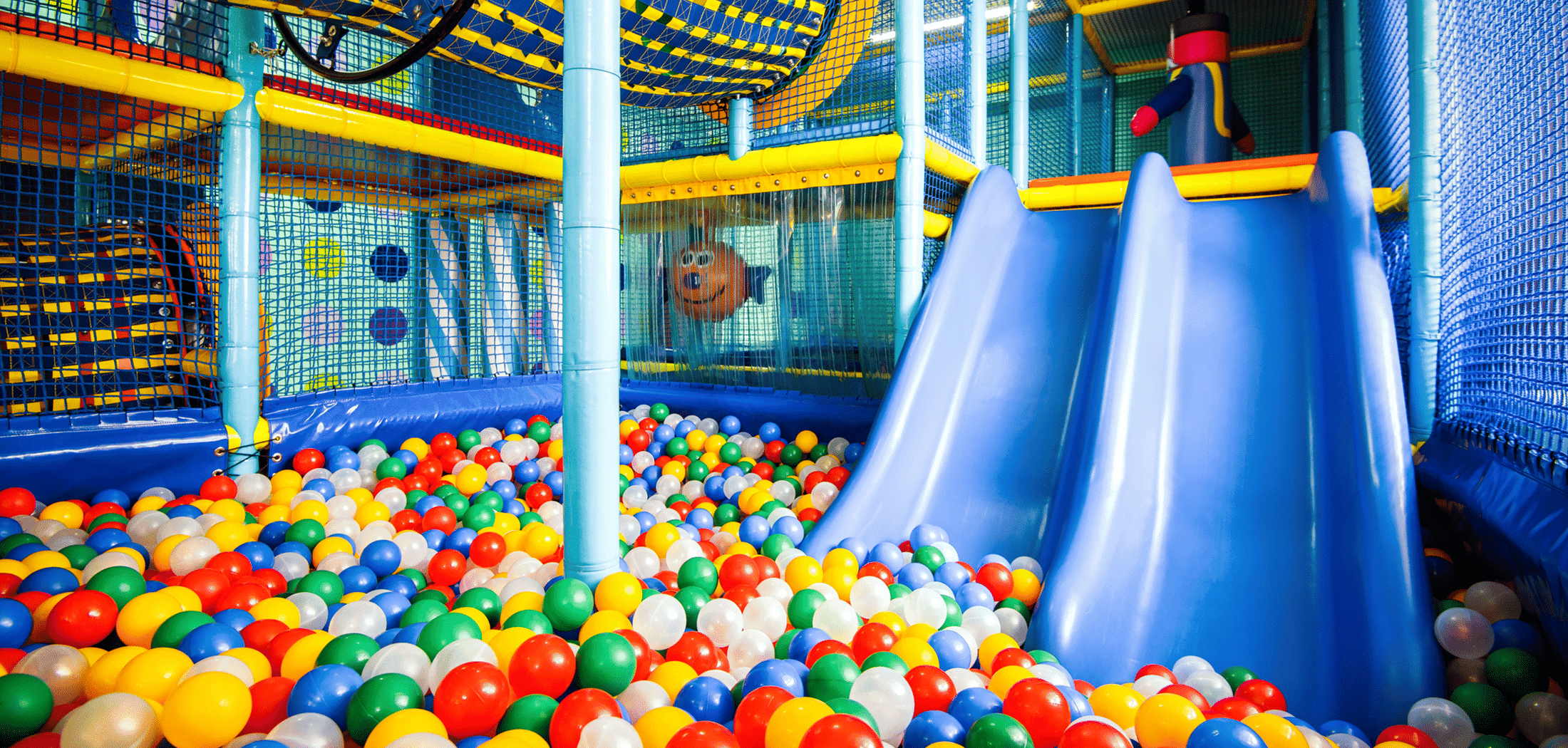

Indoor playgrounds have exploded in popularity across Ontario over the past decade. From small play areas with ball pits and slides, to large facilities featuring trampolines, multi-level climbing structures, and even indoor skydiving, these spaces offer children and families a fun way to stay active, especially through long Canadian winters.
But with increased activity comes increased risk. When an injury occurs, many Ontario parents are unsure of their rights or whether the facility may be legally responsible. This article covers the key safety precautions every parent should take, and explains when a business may face liability for injuries that happen on their property.
Safety Tips for Parents and Guardians at Indoor Playgrounds
While you cannot eliminate all risk, following these steps significantly reduces the chance of an injury, and also strengthens your legal position if something does go wrong.
Choose the Right Facility for Your Child’s Age
Many play areas are designed for specific age groups. Placing a young child in a space filled with older, bigger kids is a recipe for injury. Conversely, older children may find younger-oriented equipment unsafe because it is not built for their size or weight. Always confirm the facility’s age and weight guidelines before letting your child play.
Supervise Actively, Not Passively
These spaces move fast. Active supervision means watching your child, not your phone. Intervene early if rough play begins or if your child is heading into an area meant for a different age group.
Prepare Your Child Before You Arrive
Talk to your child about safe play before you walk through the door. Key reminders include:
- Wait your turn on all equipment
- Slide feet-first, never head-first
- No rough play, pushing, or wrestling
- Stay in age-appropriate areas
- Come find a parent if something feels wrong
Dress Appropriately
Avoid loose clothing and drawstrings, which can snag on equipment. Wear grip socks when shoes are not permitted, many Ontario facilities provide or sell them at the front desk.
Take Breaks and Watch for Over-Stimulation
Children who are over-tired or over-stimulated take bigger risks. Build in rest breaks to help your child calm down, re-energize, and return to play safely.
Read and Follow the Facility’s Safety Rules
Every facility should post its rules clearly. Review them with your child before play begins. If staff are not enforcing the rules, for example, allowing children to double-jump on trampolines or use equipment meant for other age groups – raise the issue with management immediately.
Know Where First Aid and Exits Are Located
Familiarize yourself with the layout. Locate the first aid station and emergency exits as soon as you arrive. If a serious injury occurs, do not hesitate to call 911, do not assume facility staff will do so.
Common Causes of Indoor Playground Injuries in Ontario
Even when parents take every precaution, injuries happen. Common incidents at Ontario indoor playgrounds include:
- Slip and falls on wet or poorly maintained flooring
- Tripping over equipment or uneven surfaces
- Collisions between children on trampolines or climbing structures
- Falls from height due to inadequate padding or broken safety nets
- Equipment malfunctions caused by poor maintenance
- Injuries caused by defective or improperly installed structures
When the cause of an injury involves a hazard that the facility knew about, or should have known about, Ontario’s premises liability law may entitle you to compensation.
When Is an Ontario Indoor Playground Legally Responsible?
Under Ontario law, businesses that invite the public onto their premises owe a duty of care to their visitors. This means an indoor playground must take reasonable steps to ensure the safety of both the equipment and the environment. That duty does not disappear simply because you are present supervising your child.
A facility may be found negligent, and potentially liable for damages, if it:
- Fails to inspect or maintain equipment on a regular basis
- Allows defective or damaged structures to remain in use
- Does not adequately supervise its staff
- Ignores safety rule violations by participants
- Does not provide proper warnings about the risks of specific activities
- Operates equipment that was defective when installed
It is important to document the scene of the accident as thoroughly as possible. Take photographs of the equipment involved, note the names of any witnesses, and request a copy of any incident report filed by the facility.
Do Liability Waivers Protect Ontario Indoor Playgrounds?
Almost every indoor playground in Ontario requires parents or guardians to sign a liability waiver before their child enters the facility. These waivers are legal documents designed to limit or eliminate the facility’s legal responsibility if a participant is injured.
Because children cannot legally sign contracts, only their parent or legal guardian can execute the waiver, and by doing so, they generally bind the child to its terms as well.
However, waivers do not provide absolute protection to a facility. Under Ontario law, a waiver may not hold up in court if:
- The language is vague, ambiguous, or does not specifically reference the hazard that caused the injury
- The waiver was not brought to the signer’s attention or was not reasonably readable
- The injury resulted from gross negligence or intentional misconduct by the facility or its staff
- The equipment involved was defective or improperly maintained, regardless of what the waiver says
- The signing was not truly voluntary
In short: a signed waiver is not the end of the conversation. If your child was seriously injured, it is worth having a lawyer review the specific waiver and circumstances of the incident.
Frequently Asked Questions
Can I sue an indoor playground if my child is injured in Ontario?
Yes, potentially. If the injury was caused by unsafe equipment, poor maintenance, or inadequate supervision by facility staff, you may have a valid negligence claim under Ontario’s Occupiers’ Liability Act. A signed waiver may not bar your claim, depending on the circumstances.
What should I do immediately after my child is injured at an indoor playground?
Seek medical attention first. Then document the scene with photographs, report the incident to facility management and request a copy of their incident report, collect witness contact information, and keep records of all medical treatment. Contact a personal injury lawyer as soon as possible to protect your rights.
How long do I have to make a claim in Ontario?
In Ontario, the general limitation period for personal injury claims is two years from the date you knew, or ought to have known, about the injury and its cause. For claims involving children, special rules may extend this period. Do not delay in speaking with a lawyer.
Conclusion: Fun Spaces, Real Risks – Know Your Rights
Indoor playgrounds provide enormous value for Ontario families, giving children a place to play, explore, and burn energy regardless of the weather. But they are not without risk, and the businesses that operate them have legal obligations to the children and families who walk through their doors.
Preparing your child before a visit, supervising actively, and knowing the facility’s safety rules will reduce the chance of an incident. If an injury does occur, understanding when a business may be liable, and when a waiver may not protect them, is essential.
If your child suffered a serious injury at an indoor playground or trampoline park in Ontario, do not assume the waiver you signed means you have no options. Contact us today for a free consultation. We will review the details of your situation and explain whether you