

Looking Beyond Physical Harm: What Are Invisible Injuries?
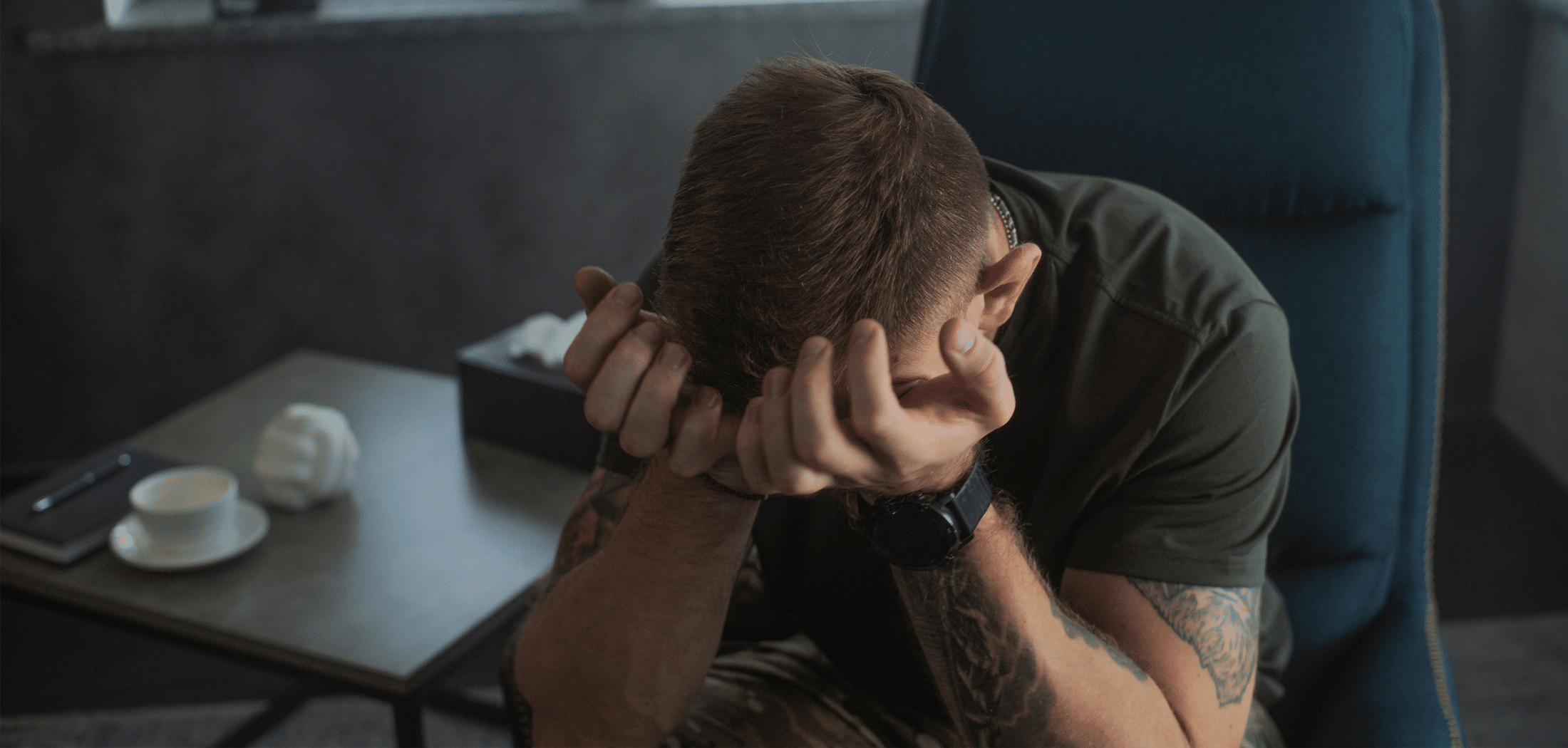
When most people think of injuries resulting from accidents or negligence, they imagine visible harm -broken bones, lacerations, or other physical trauma. However, many injuries are far less visible, yet equally devastating. In Ontario, these “invisible injuries,” including psychological harm such as post-traumatic stress disorder (PTSD), anxiety, depression, and chronic pain, present unique challenges for individuals seeking compensation.
Invisible injuries are often underestimated or misunderstood. Unlike a fractured limb, they do not leave clear physical evidence. A person may look “fine” on the outside, yet struggle profoundly with daily functioning, employment, and relationships. These injuries can emerge immediately after an incident, or sometimes months or even years later, making them harder to detect and link directly to the triggering event.
Proving Psychological Harm in Ontario Courts
From a legal perspective, proving damages for psychological and invisible injuries in Ontario is complex. Courts require evidence that the injury is both real and caused by the defendant’s actions. For visible injuries, this often comes from medical reports, imaging, and clear timelines. For psychological harm, plaintiffs must rely on expert testimony from psychologists, psychiatrists, or other mental health professionals to establish the diagnosis and demonstrate the causal link. Documentation of symptoms, therapy sessions, and impact on everyday life also becomes crucial.
The nature of the injury can also complicate valuation. While a broken bone can be assigned a monetary value based on medical costs, wage loss, and general damages, psychological injuries are more subjective. The Law Reform Commission of Ontario and subsequent case law recognize that the severity and long-term impact of such injuries are critical factors in calculating general damages. Courts may consider the duration of suffering, interference with employment, social relationships, and overall quality of life. Yet, because these harms are invisible, plaintiffs often face skepticism, and insurers may contest claims more aggressively.
Pre-Existing Conditions and the “Thin Skull” Approach
Another challenge arises from pre-existing conditions. Many people who suffer psychological harm may have experienced prior stress, anxiety, or trauma. Ontario courts often engage in a “thin skull” approach, holding defendants liable for the full extent of an injury even if the victim was particularly vulnerable. However, separating what is caused by the incident from what predates it can be a nuanced and evidence-intensive process.
For claimants, documenting their experiences consistently is vital. Journals, medical records, employment impact statements, and corroborating testimony from family or colleagues can strengthen a case. Legal counsel familiar with psychological injury claims in Ontario can also help navigate the intricate interplay of medical evidence, expert reports, and case law to present a compelling argument for damages.
Ultimately, psychological and invisible injuries highlight the broader truth that harm is not always visible. Ontario’s legal system recognizes these injuries, but the burden of proof is substantial. Claimants must not only show that they were injured but also that the injury was caused by the defendant’s actions and has materially affected their lives.
Navigating Complexity with Experienced Legal Support
Despite the challenges, individuals suffering from invisible injuries can still pursue meaningful recognition and compensation – with the right approach and the right legal team behind them. Building a successful claim requires meticulous documentation, compelling expert evidence, and strategic advocacy—areas where experience truly matters. The lawyers at Howie, Sacks & Henry LLP have a proven track record of advancing complex psychological injury claims and securing results for their clients, even in the face of skepticism and aggressive insurers.
If you’ve been injured in an accident, don’t navigate this process alone, give us a call. At Howie, Sacks & Henry LLP, Hope Starts Here!