

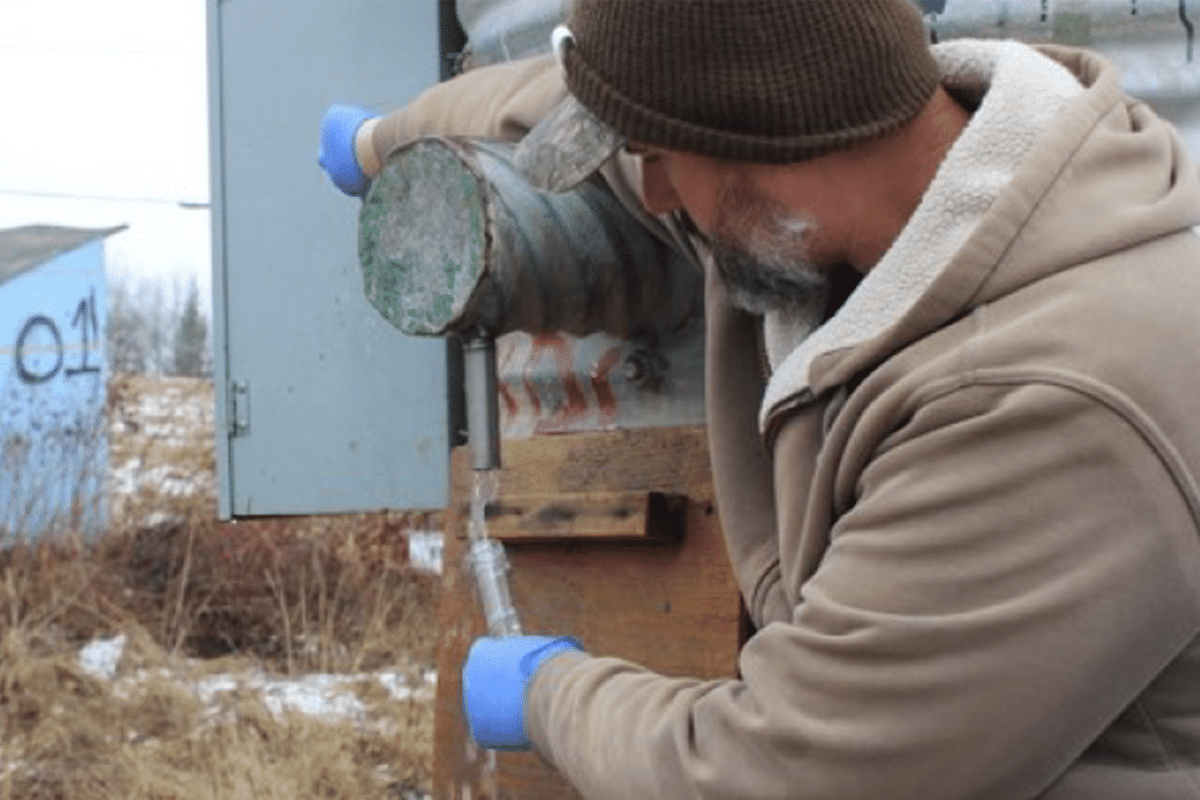


Access to water is a right most Canadians do not think twice about. Unfortunately, that cannot be said about the citizens of Pikangikum First Nation, a remote Ojibwe community in northwestern Ontario.
A Community Without Safe Water
For decades, over 4000 people in Pikangikum First Nation have been continuously denied reliable access to clean drinking water, functional sewage infrastructure, and adequate fire safety measures with only 4 of 12 fire hydrants functional. Residents of this First Nation are subjected to only a few pails of water a day, which needs to be boiled before drinking. Out of the 500 homes in Pikangikum, only 109 have a working tap. All other residents must travel to one of six watering points in the community to collect water buckets for drinking or cooking.
In recent years, the community’s only water treatment plant has been operating beyond capacity, while aging pipes and distribution systems have further strained the already fragile network. Currently, the community relies on water delivery trucks, but these deliveries only reach 40 to 50 homes per day. This means that it takes an entire week for all affected residents to obtain water.
The Real Cost: Health, Housing, and Lost Opportunity
The effects of Pikangikum’s water crisis extend far beyond the immediate challenges of accessing safe drinking water. Decades of inadequate water and wastewater infrastructure have the potential to create lasting social, economic, and health consequences for current and future generations.
Public health experts have recognized that a lack of clean water can lead to disease, respiratory illness, and skin conditions, while also affecting mental health and overall well-being. Devoting significant time and energy to securing basic necessities such as water often diminishes time spent on education, employment, and community development.
This crisis not only raises health concerns, but places additional pressure on housing and population growth. As Pikangikum continues to grow, the ever-aging infrastructure that is already operating beyond its means may place significant limitations on opportunities for housing and economic development.
Why This Crisis Demands Federal Accountability – And Legal Action
Ultimately, the water crisis that Pikangikum First Nation faces is not limited to infrastructure alone. They are impacted in nearly every aspect of their life, from health and housing to economic opportunity and cultural identity. Resolving the water crisis is not a matter of repairing their treatment plant, but it is a necessary step toward ensuring a healthier, safer, and more sustainable future for the generations to come in Pikangikum First Nation.
Howie, Sacks & Henry, together with co-counsel at Headwaters LLP and Phillips Barristers, is representing Pikangikum First Nation in a landmark $2 billion Federal Court action against the Government of Canada.