



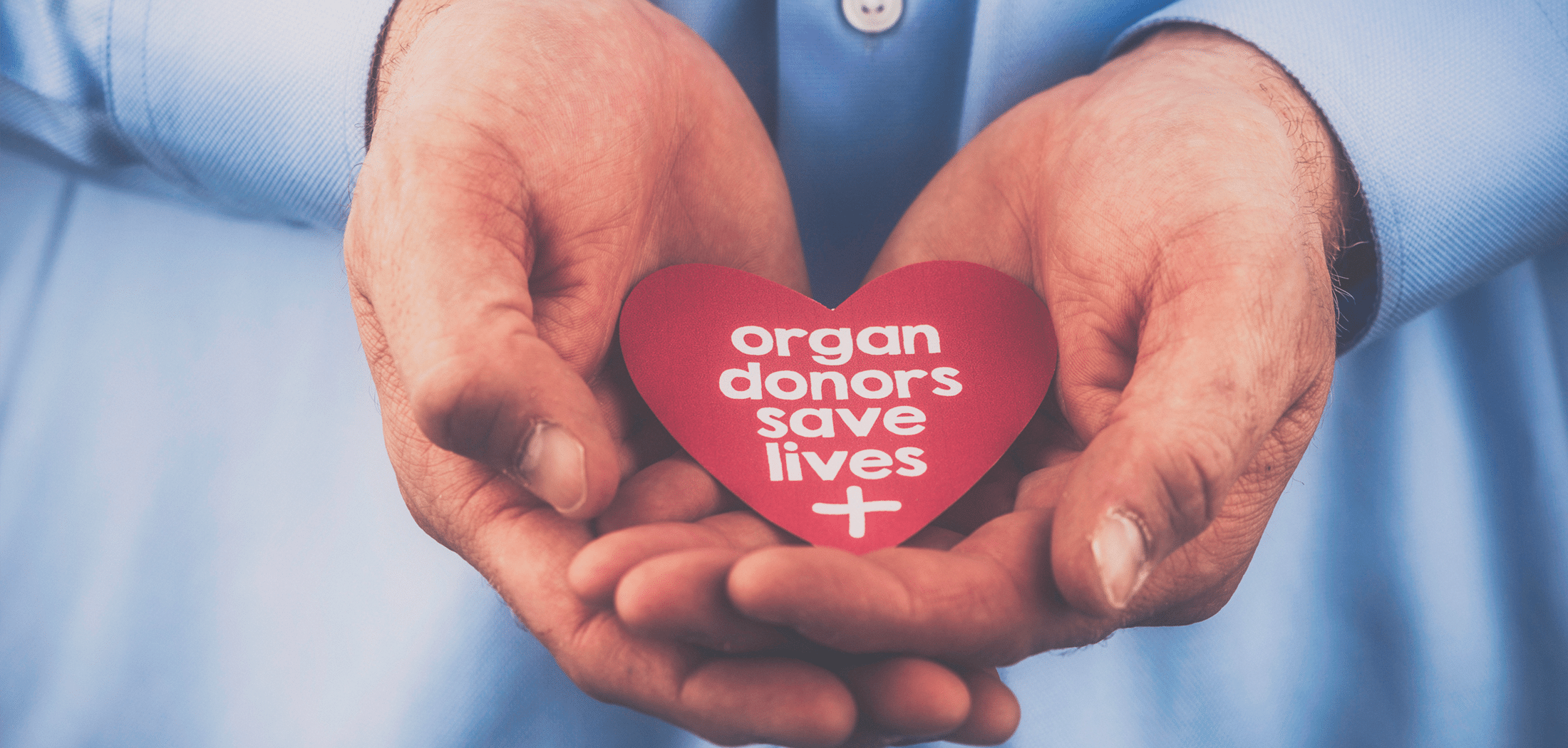

Behind every organ or tissue donation is a story, one that extends far beyond forms and consent. In our blog post: A Life That Lives On. Honouring Marco and the Gift His Family Gave to the World, we share the deeply personal journey of a family who, in the face of unimaginable loss, chose organ donation and gave others a second chance at life.
It’s a powerful reminder that while the process of registering may seem simple, the impact is profound. Taking a few moments to make an informed decision today can one day become a life-saving gift for someone else and a lasting legacy for your loved ones.
A Tragic Loss and a Lasting Legacy
Marco Di Bartolomeo was a vibrant 20-year-old from Ontario with his entire life ahead of him – a life that was tragically cut short on April 2nd, 2025, in a fatal motor vehicle accident. Having the privilege of representing the Marco’s family, our firm has been moved by his story and the incredible strength of his family in the year since his passing.
In the face of profound heartbreak, Marco’s parents made the courageous decision to donate his organs, a gesture of immense selflessness during what was surely one of their darkest moments. That decision saved the lives of three recipients through kidney, lung, and liver transplants. Today, Marco’s legacy continues to grow through his family’s dedicated efforts to raise awareness and funds for the Canadian Transplant Association in his honour. With that in mind, we wanted to take a moment to explain some of the life-saving and important processes of organ and tissue donation.
Understanding Organ Donation in Ontario
In the journey of donation, the two primary ways a donor can change the lives of others are:
- Organ donation: Heart, kidney, liver, lungs, pancreas, and small intestines.
- Tissue donations: Eyes (corneas), skin, bone, and heart valves.
Organ donations typically involve an immediate, life-sustaining transfer to those facing immediate organ failure. Tissue donation, while just as profound, can often occur within a longer time frame and is used to improve quality of life through procedures such as reconstructive surgery, burn treatment, and restoring mobility.
One donor can have a powerful and far-reaching impact. They may save multiple lives through organ donation, while tissue donation can help dozens more – offering hope and second chances to other individuals and families in need.
When Can a Donation Occur?
In Ontario, donation can only proceed once death has been legally and medically determined. There are two primary pathways:
- Neurological Determination of Death (NDD) – This is commonly known as brain death when the brain has permanently lost all function.
- Donation after Circulatory Death (DCD) – This occurs when the heart permanently stops beating, usually after the family withdraws life-sustaining treatment.
While almost everyone has the potential to be a donor, the medical requirements for a successful donation are incredibly specific. Only a very small percentage (1-2%) of hospital deaths in Ontario occur in a way that allows for donation.
From a legal perspective, this rarity makes “contingency plans” vital. Since we cannot predict whether we will fall into that 2% when our time comes, we must ensure our legal documents speak for us.
Current data indicate that while 90% of Ontarians support organ donation, only 35% are registered donors.
Consent and Role of Family
When it comes to consent for organ donation in Ontario, every individual must be registered with Trillium Gift of Life Network to ensure that their information and wishes are recorded through the Ontario Government.
In instances where a person’s wishes haven’t formally been registered or expressed, Ontario law establishes a clear hierarchy for decision-making. Much like the framework used for medical treatment, the responsibility typically falls to a spouse or partner, followed by children, parents, or next of kin, to make these choices on their loved one’s behalf.
Legal Considerations Following a Sudden Death
When a death is sudden or unexpected, the Office of the Chief Coroner has jurisdiction to decide if organ donation is an option. Modern coroners and forensic pathologists in Ontario work closely with the Trillium Gift of Life Network to ensure they are facilitating life-saving transplants whenever possible without compromising the legal integrity of a death investigation.
In these types of sensitive cases, the Coroner’s role is to ensure the cause of death can still be accurately determined. This, on occasion, will lead to “conditional” or “partial” consent. For example, they may authorize the donation of a kidney and a liver, but require that the heart or lungs be kept for further examination.
Since sudden death commonly involves younger, healthier individuals, the impact of a single donor can be massive. While the legal process must be respected, the ability to transform a sudden tragedy into a life-saving legacy, like Marco’s, remains a priority for both the medical and legal systems in Ontario.
Does Organ Donation Affect Legal Claims?
A common question families of sudden death victims face is whether their decision to donate their loved one’s organs will impact ongoing or future legal cases, such as a wrongful death claim. In Marco’s case, and for any family we represent, the answer is a clear no. Choosing to help save other lives through donation is a separate, selfless act that will never jeopardize an individual’s right to seek accountability.
Our Belief in Supporting Families & Advocacy for Organ Donation
Representing Marco was a reminder that the work we do at Howie, Sacks & Henry is about people. The impact of organ donation is staggering; tragedy can be transformed into a future for others.
As a firm, we remain committed to handling sensitive cases with the dignity they deserve, protecting legal rights while honouring the choices and hardships our clients face during times of tragedy. If you or someone you know has been affected by a serious motor vehicle accident in Ontario, our team is here to help.
To register as an organ donor in Ontario, visit beadonor.ca. For support as a donor family, Ontario Health’s Trillium Gift of Life Network can be reached 24/7 at 1-877-363-8456.