

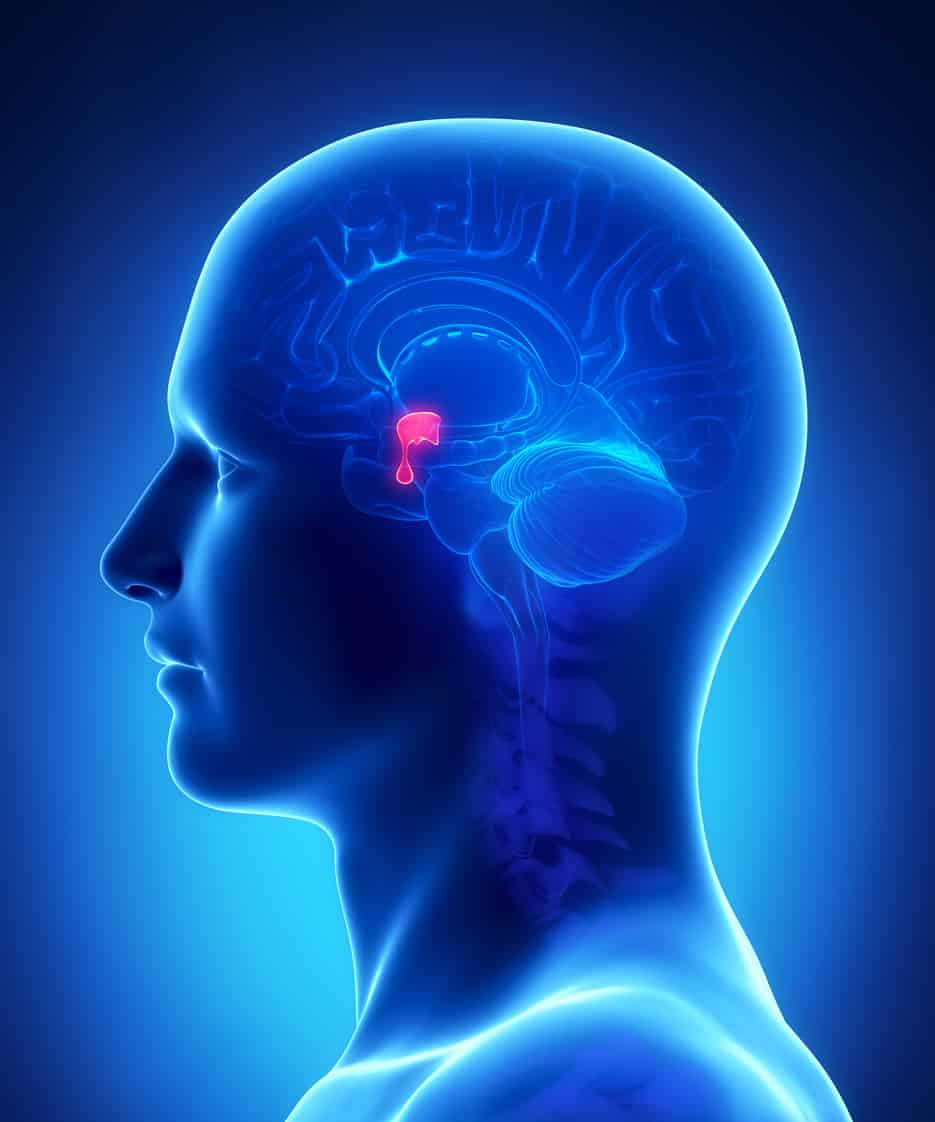
A pituitary brain injury occurs when trauma, surgery, or a tumour damages the pituitary gland, a small but critical structure located at the base of the brain. Because the pituitary gland controls hormone production throughout the body, an injury to it can affect nearly every system: growth, metabolism, mood, sleep, temperature regulation, and more.
Pituitary injuries are frequently misdiagnosed or missed altogether, since many of their symptoms mimic depression, chronic fatigue, or post-concussive syndrome.
Understanding how these injuries happen and what to watch for is an important first step toward getting the right diagnosis and treatment.
What Does the Pituitary Gland Do?
Often called the “master gland,” the pituitary gland produces hormones essential to the functioning of other organs. It regulates:
- Growth hormone
- Blood pressure
- Sex organ function
- Thyroid gland function
- Metabolism
- Water regulation
- Temperature regulation
- Pain relief
Because the pituitary gland influences so many bodily functions, even minor damage can produce wide-ranging and sometimes debilitating symptoms.
How Does the Pituitary Gland Get Injured?
A person does not need to undergo brain surgery to suffer a pituitary injury. The blood and nerve vessels surrounding the gland are extremely fragile and can be damaged through the same mechanisms commonly seen in traditional traumatic brain injury (TBI) cases, including motor vehicle accidents and slip and falls. Pituitary damage can also result from acquired brain injuries (ABI), tumours, or the surgery required to remove them.
What Are the Symptoms of a Pituitary Injury?
When the portal vessels surrounding the pituitary gland are damaged, it can significantly impact growth hormone levels. Common symptoms of growth hormone deficiency include:
- Fatigue
- Poor exercise performance
- Feelings of isolation
- Mood changes
- Lack of motivation
- Irritability
- Memory and concentration problems
These symptoms closely resemble those of post-concussive syndrome and PTSD, which is part of why pituitary injuries are so often difficult to properly diagnose. Many patients spend years being treated for mental health conditions before an underlying pituitary injury is identified.
How Is a Pituitary Brain Injury Diagnosed?
An insulin tolerance test (ITT) is a medical diagnostic procedure used to assess pituitary function. Patients can access this test through an endocrinologist referral.
Where possible, patients should ask specifically for a referral to a neuroendocrinologist. Neuroendocrinologists have the specialized skill set to manage pituitary disorders caused by trauma or tumours, unlike general endocrinologists, who more commonly treat diabetes, thyroid conditions, and hormonal issues unrelated to head trauma.
How Are Pituitary Brain Injuries Treated?
Hormone replacement therapy is typically the initial treatment once a pituitary deficiency has been identified. In addition to supporting growth, daily hormone replacement therapy has been shown to help manage depression, insomnia, and metabolism-related concerns that patients often face.
Because pituitary injury symptoms so often mimic mental health conditions, diagnosis can take years. Access to specialized brain injury services in Ontario remains a significant challenge. Many individuals wait months for community rehabilitation services, while those requiring specialized supported housing or residential programs can face waits measured in years due to chronic shortages in available spaces.
Early recognition and proper diagnosis remain the most important steps toward effective treatment and an improved quality of life.
How Howie, Sacks & Henry LLP Can Help
Howie, Sacks & Henry LLP has advocated for brain injury victims for over 25 years. Whether your pituitary injury resulted from a motor vehicle accident, slip and fall, medical malpractice, or you’re navigating a long-term disability insurance claim, our team is here to help. Contact us today and book a free consultation.